There has to be another way of making this work...
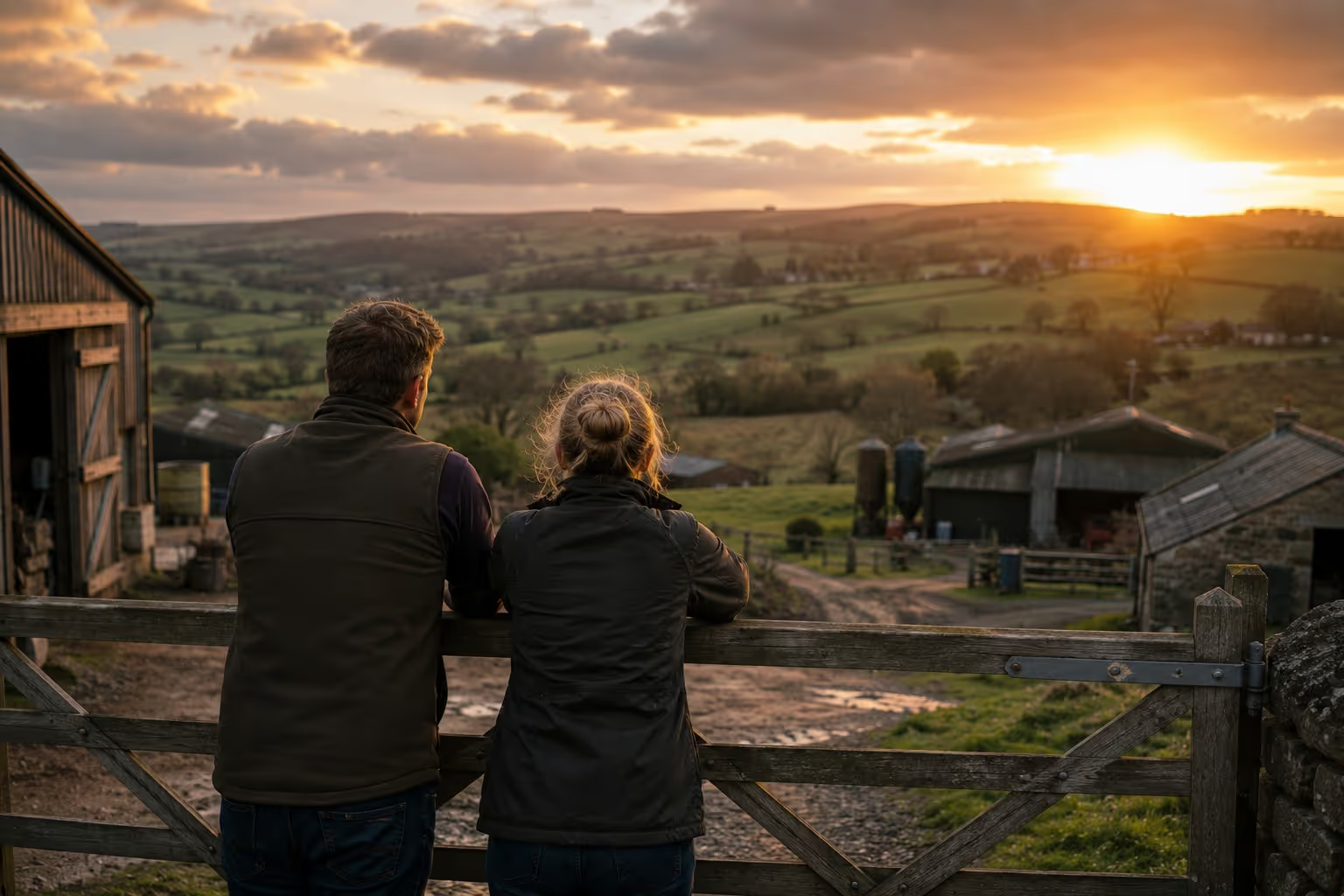
There’s a conversation happening on farms across the country at the moment.
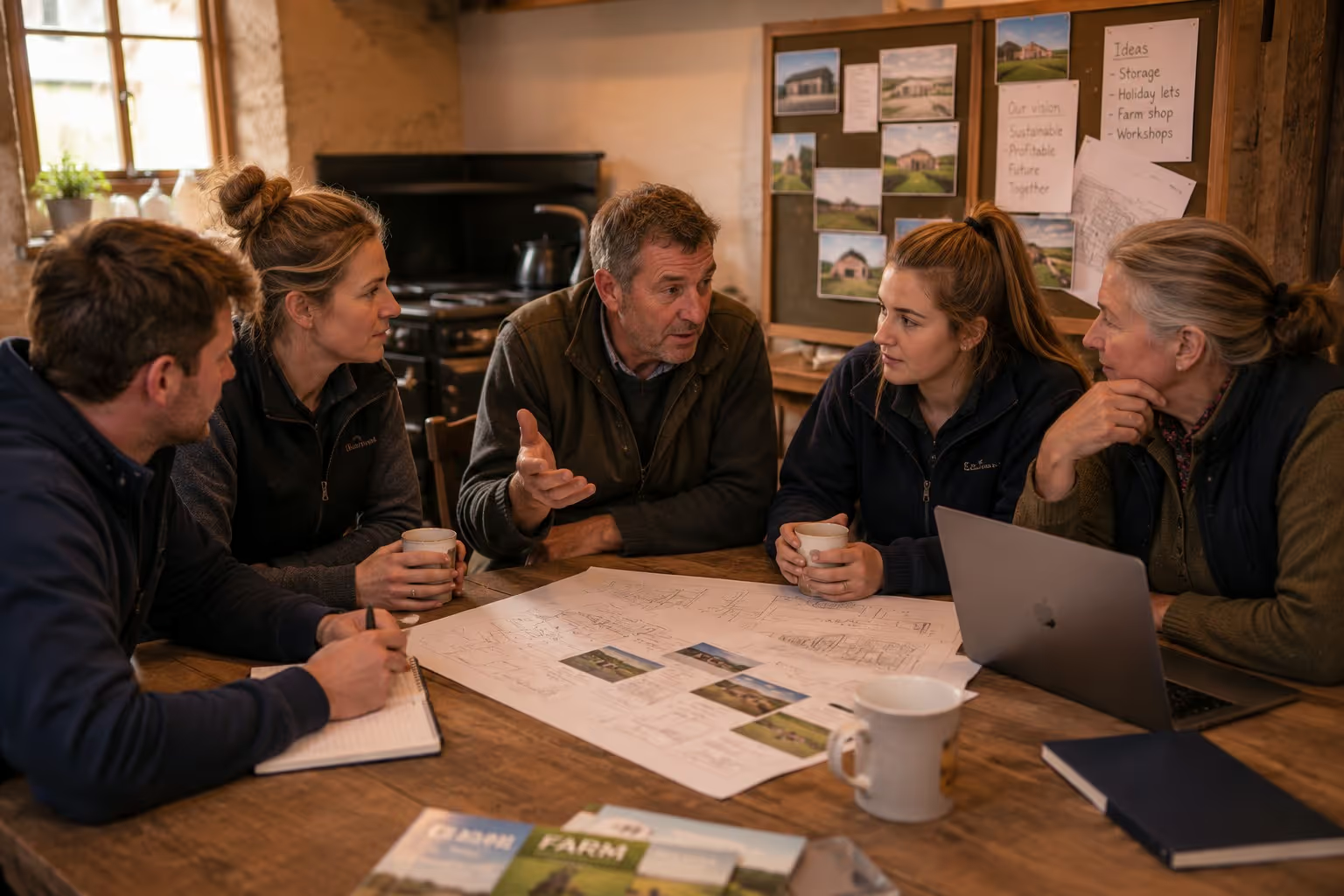
Usually around a kitchen table.
Often late at night.
Normally starting with something like: “There has to be another way of making this work.”
For some, it comes after another difficult harvest. For others, rising costs, changing policy, uncertainty around support payments, or simply the realisation that relying on one income stream no longer feels quite as safe as it once did.
And whilst every farm is different, one thing is becoming increasingly clear — more farming businesses are looking at diversification not as a “nice idea”, but as something that could genuinely help secure their future.
The interesting thing is, most of the people now running successful diversified businesses didn’t start with some grand masterplan.
They started with a conversation.
- An unused building.
- A good location.
- A skill somebody in the family had.
- An idea that had been spoken about for years but never properly explored.
And usually, a bit of fear alongside it.
Because diversification can feel daunting when farming is all you’ve ever known. There’s risk attached to it. Financial pressure. Planning hurdles. Fear of getting it wrong. Fear of wasting money. Fear of what others might think.
We’ve spoken to farmers who sat on ideas for five or ten years before finally doing something about them — only to later wish they’d started sooner.
That doesn’t mean every diversification project becomes an overnight success. Far from it.
- Some take time.
- Some evolve completely from the original idea.
- Some create unexpected challenges.
- And some start very small before growing into something much bigger than anyone imagined.
But what we’re seeing time and time again is this:
The farms willing to adapt are often the ones creating more resilience, more opportunities for the next generation, and in many cases, a better quality of life alongside it.
And diversification doesn’t always mean building a wedding venue or opening a farm shop.
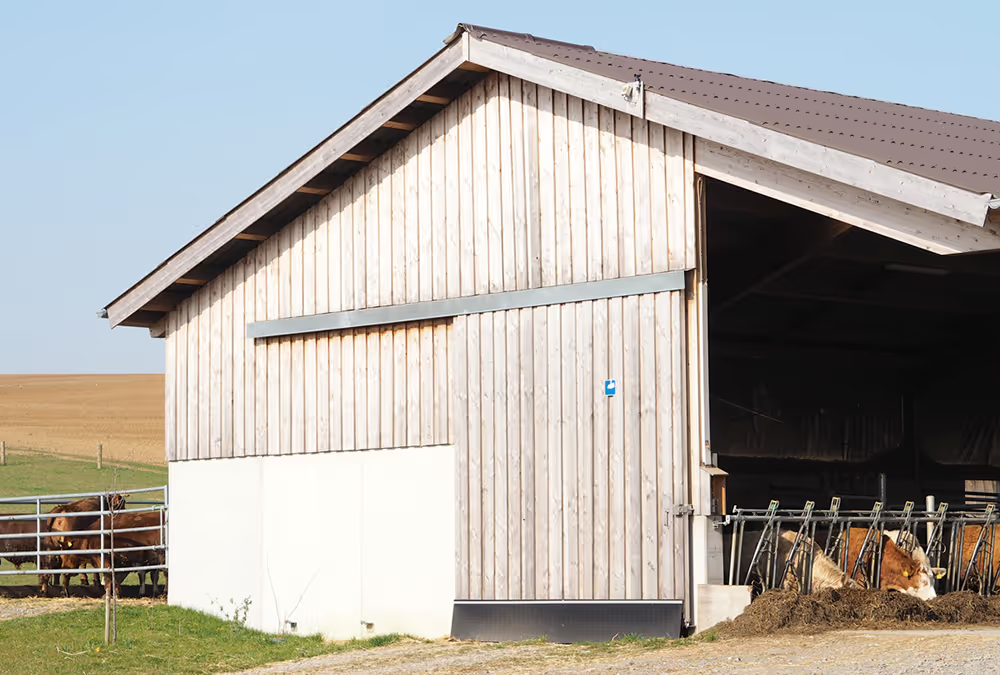
Sometimes it’s commercial units in old buildings.
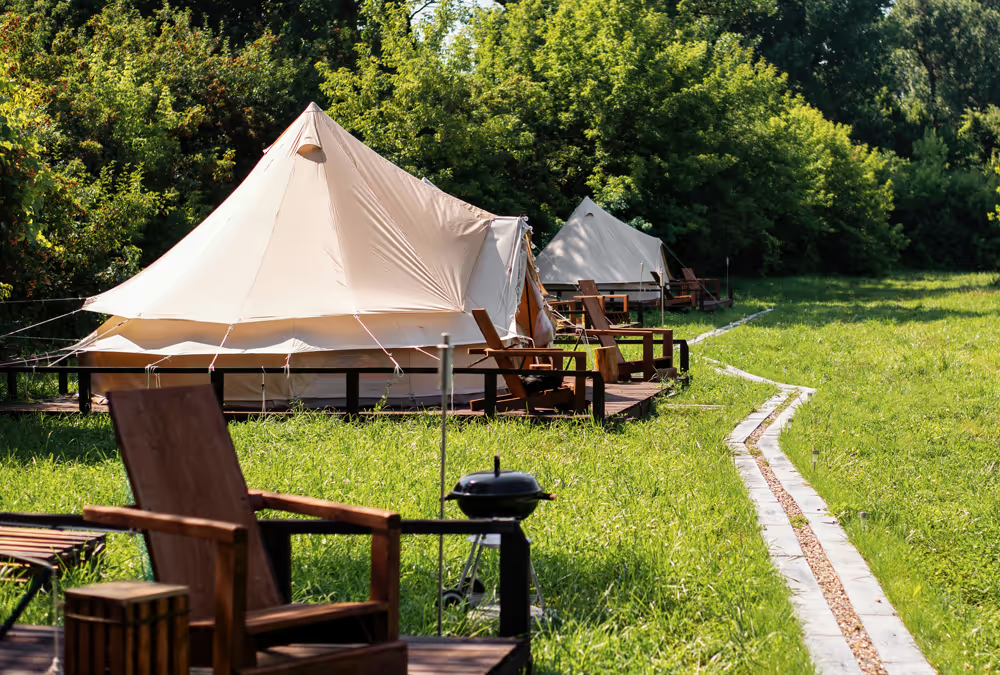
Sometimes it’s holiday accommodation.
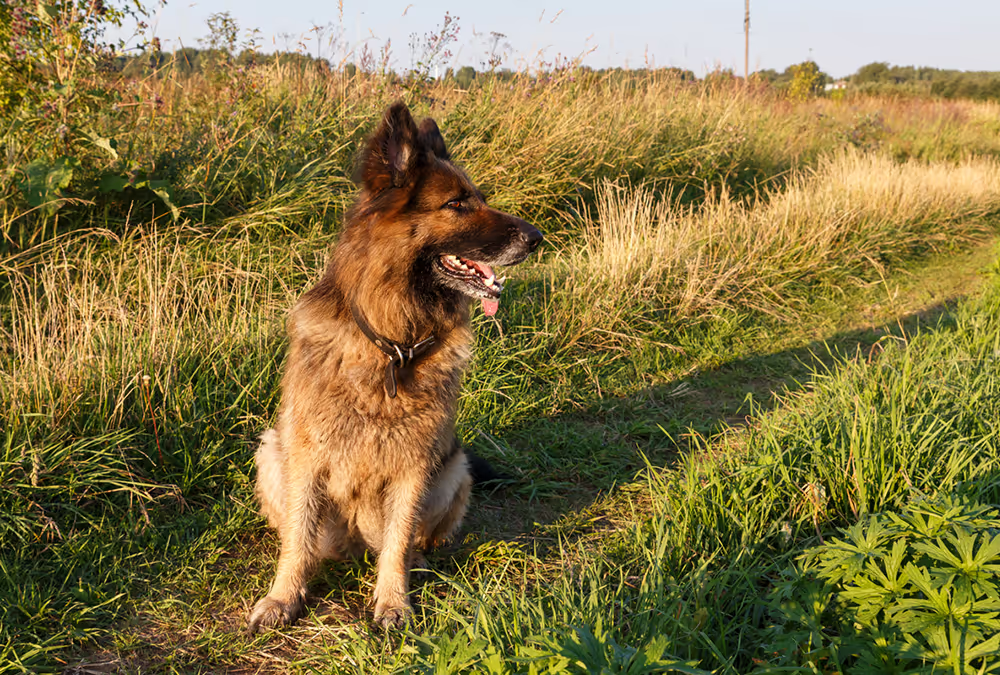
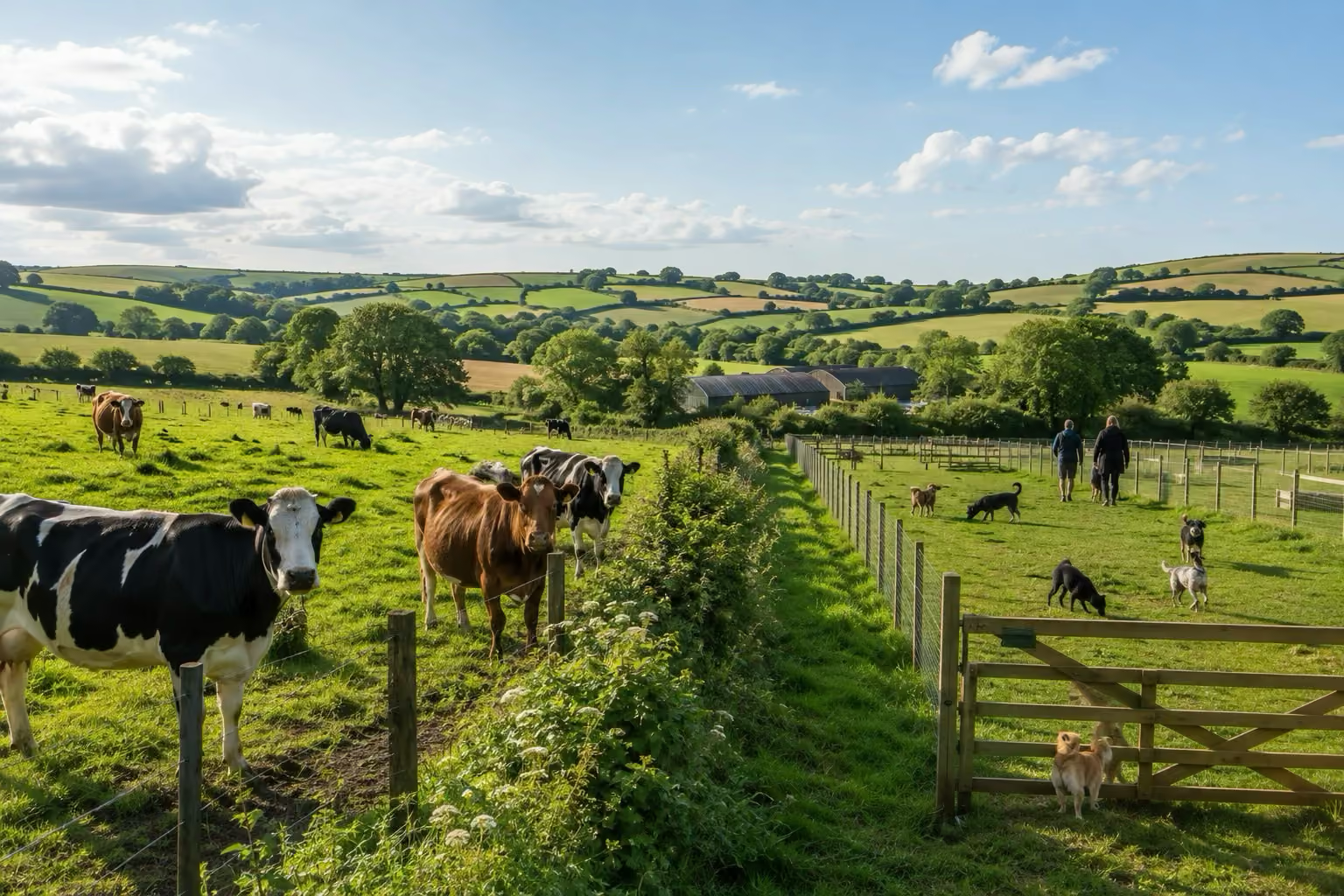
Sometimes it’s a dog field, a café, a glamping site, a farm office space, or a completely new business that just happens to sit alongside the farm.
Sometimes it’s simply looking differently at the assets you already have and asking: “What else could this become?”
What’s important is that it works for your business, your family and your long-term goals — not because it’s fashionable, but because it genuinely fits.
One of the biggest misconceptions around diversification is that it means moving away from farming.
In reality, most diversification projects exist to support the farm.
- To protect it.
- Strengthen it.
- Create another income stream.
- Keep family members involved.
- Fund investment back into the core business.
- Or simply take some pressure off.
We know farming families who have diversified because they wanted to create opportunities for the next generation to stay involved in the business.
Others because they needed to spread risk.
Others because they realised the traditional model alone was becoming harder to rely on.
And importantly, many of the people now seen as “successful diversified businesses” once had exactly the same doubts most farmers have now.
- Will it work?
- Can we afford it?
- What if we get it wrong?
- Are we too late?
The reality is, there’s no perfect time to diversify.
But there is a risk in waiting too long whilst the world around you changes.
The businesses gaining momentum now are rarely the ones with unlimited money or huge teams behind them. More often, they’re the ones willing to start exploring possibilities, ask difficult questions, and take a first step forward.
Not blindly.
Not recklessly.
But proactively.
Because standing still is starting to feel more risky than trying something new.
And perhaps that’s the biggest shift happening in farming right now.
Diversification is no longer something “other people” are doing.
It’s becoming part of how modern farming businesses survive, evolve and create a future they actually want to build.