Rural Diversification Live: Real Stories, Real Farmers, Real Conversations
When we first started planning Rural Diversification Live with Dudley Peverill, the aim was simple.
We wanted to create an event where farmers, landowners and rural businesses could come together to have honest conversations about diversification. Not theory. Not textbook examples. Not people telling others what they should do.
Real people sharing real experiences.
Judging by the feedback from delegates, that's exactly what happened.
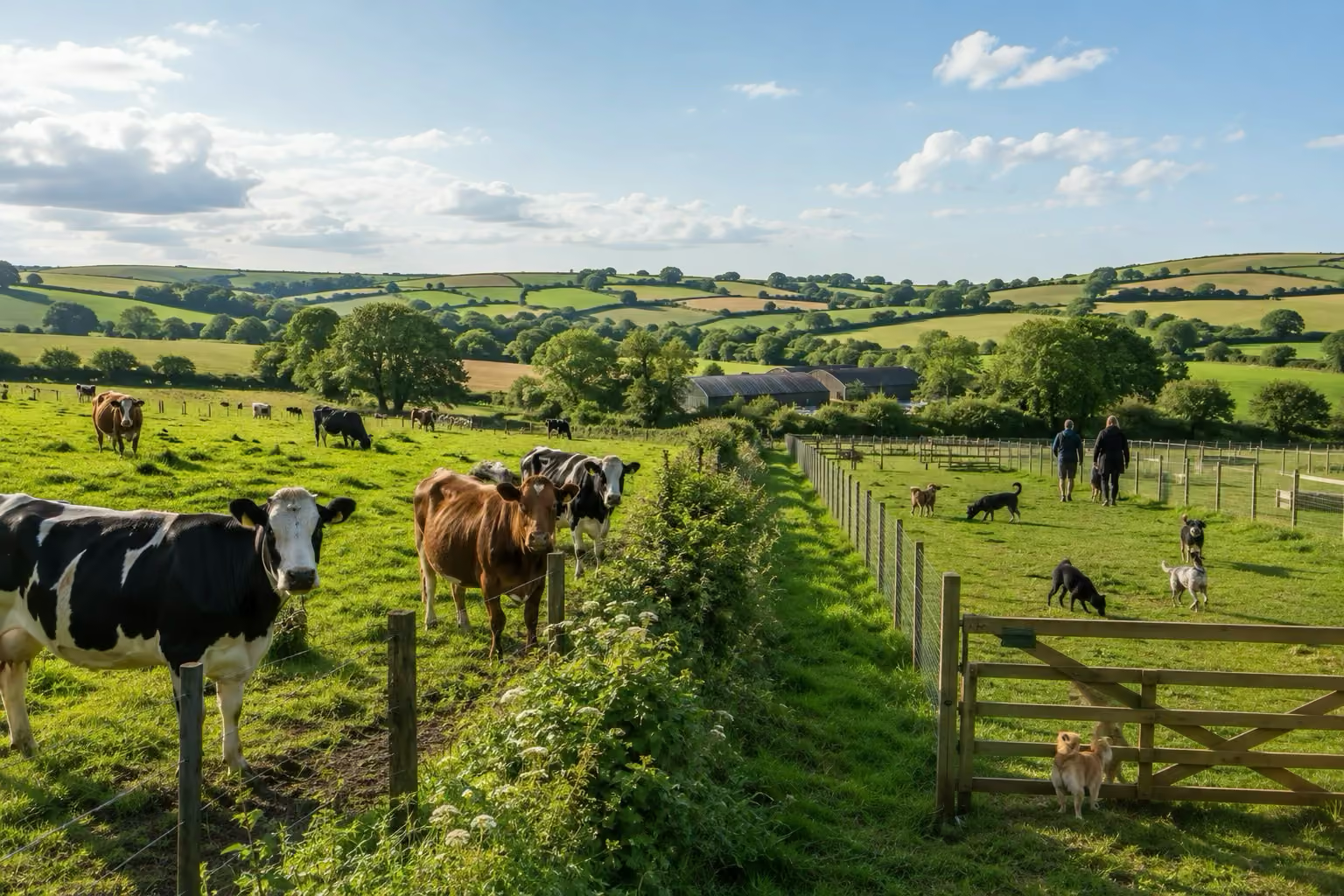
Hosted at Squab Hall Farm, our family farm near Leamington Spa, the event brought together farmers, rural professionals, students and business owners to explore one of the biggest questions facing agriculture today:
How do we create resilient farming businesses for future generations?
A Farm Built on Adaptation
Squab Hall Farm has never stood still.
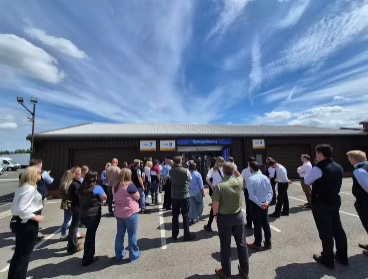
Like many farming businesses, we've had to evolve over time. Alongside farming, the business has diversified into storage, removals, hospitality, workspace and leisure enterprises, creating a business that is both environmentally and financially sustainable whilst keeping farming at its heart.
One of the key lessons from that journey is that diversification isn't about replacing farming.
It's about strengthening it.
In fact, as the diversified businesses grew, the family took the decision to appoint a dedicated farm manager, ensuring the farming operation could continue to thrive alongside the new enterprises.
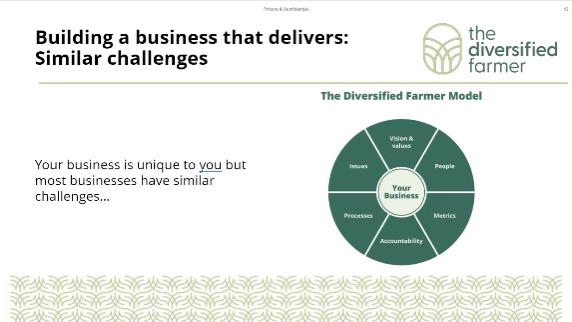
That philosophy sits at the heart of The Diversified Farmer.
Diversification should create opportunities, support family ambitions and strengthen the overall business. It shouldn't become a distraction from the things that matter most.
Authenticity Matters
One of the most powerful aspects of the day wasn't the presentations or even the farm tour.
It was the honesty.
Time and again, delegates commented on the openness of the discussions and the authenticity of those sharing their experiences.
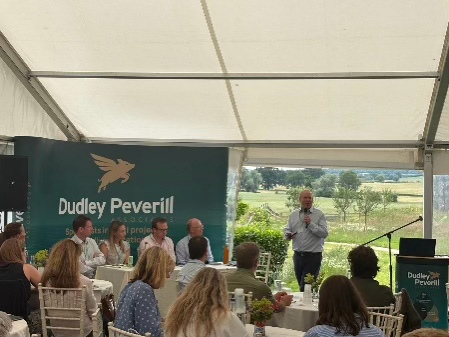
The panel discussions didn't shy away from challenges. Speakers openly discussed the difficult decisions, mistakes, lessons learned and realities of running diversified businesses alongside farming enterprises.
There was no pretence that diversification is easy. No suggestion that every idea succeeds.
No glossy success stories that ignore the hard work behind them. Just genuine conversations from people who have done it, are still doing it and are continuing to learn along the way.
Perhaps that's why so many delegates highlighted the value of hearing real-life diversification stories rather than theoretical examples.
Because diversification is rarely a straight line.
The reality is often far more valuable than the polished version.
There Is No One-Size-Fits-All Solution
One of the recurring messages throughout the day was that successful diversification looks different for every farm. For some businesses, opportunities may lie in commercial property, storage or workspace. For others, tourism, hospitality, leisure, renewable energy or entirely different ventures may be the right fit.
What matters is finding the opportunity that works for your farm, your assets and your family.
As one delegate reflected afterwards:
"No matter how big or small, there are always ways to diversify."
Another commented:
"Don't reinvent the wheel. Find a novel offering and identify where two markets meet."
Those comments perfectly capture what diversification should be about.
Not chasing trends.
Not copying neighbours.
But identifying opportunities that fit your circumstances and creating something with purpose.
The Power of Long-Term Thinking
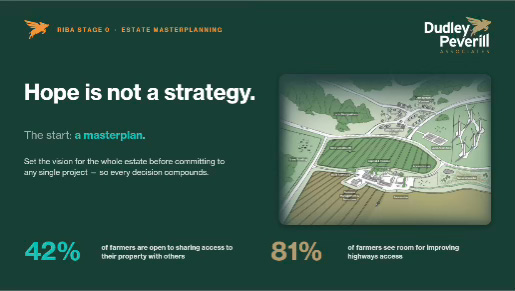
If there was one idea that resonated throughout the day, it was the importance of having a plan.
Several delegates referenced discussions around long-term vision and strategy, with many leaving determined to create or revisit their own ten-year plans.
Comments included:
"Always have a plan – albeit one which can be adapted as the position changes."
"Having a 10-year plan and staying focused on it in the face of the everyday rushing."
"Get yourself a 10-year plan to slow your day-to-day pace."
In farming, it's easy to become consumed by the immediate demands of the business. Weather, markets, regulations and operational challenges all compete for attention. Yet some of the most successful diversified businesses are those that take time to look beyond the next season and focus on where they want to be in ten years' time.
Not because the plan will be followed exactly. But because having a direction makes decision-making easier when opportunities arise.
Diversification Is a People Business
Whilst diversification is often viewed through a financial lens, the discussions throughout the day reinforced something we see time and again through The Diversified Farmer.
The biggest challenges are often not business challenges at all. They're people challenges.
Delegates highlighted the value of discussions around family and estate planning, recognising that successful diversification depends on aligning ambitions, expectations and opportunities across generations.
The future of many farms won't be determined by the quality of the diversification idea alone.
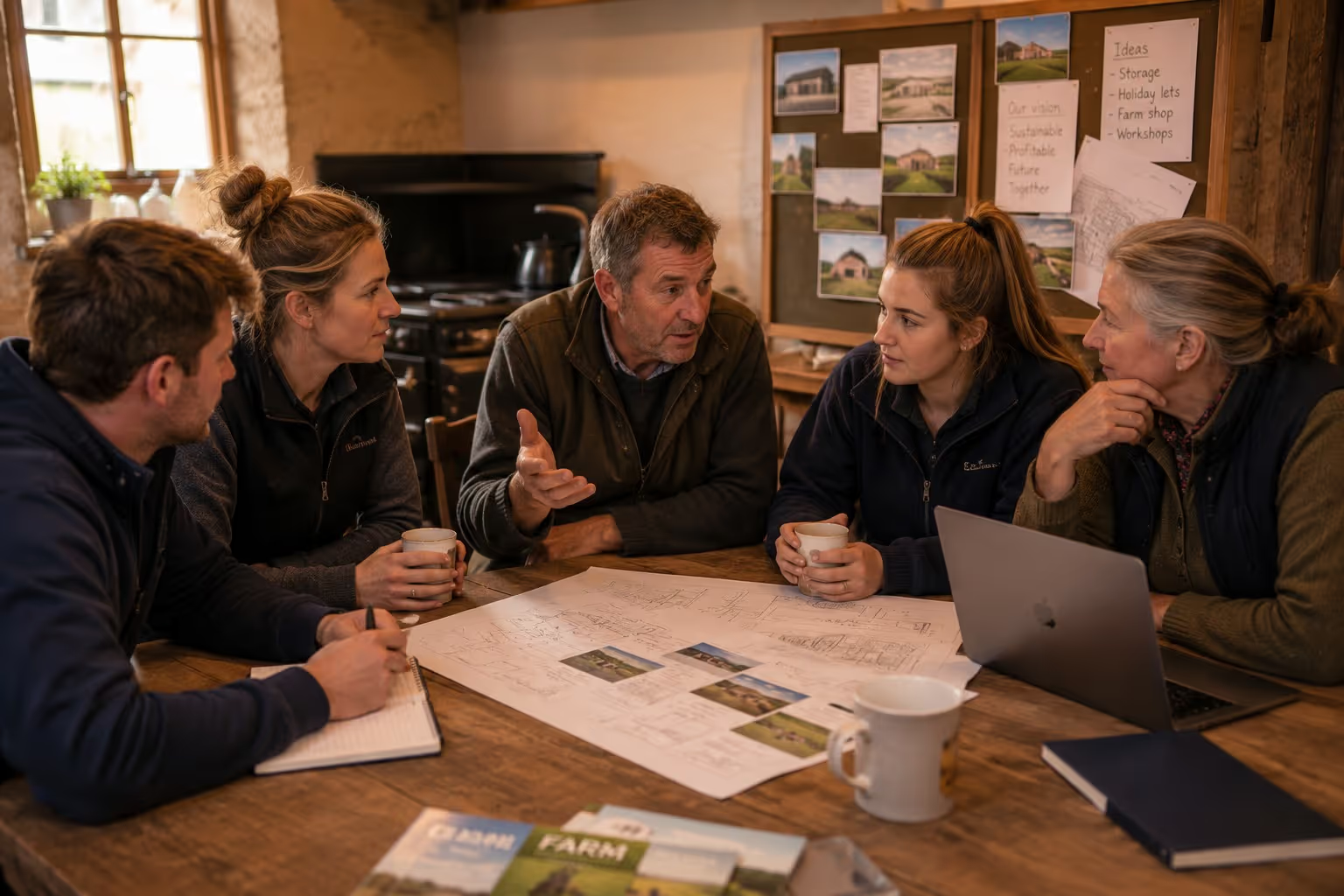
It will be determined by the quality of the conversations that happen around the kitchen table.
Collaboration Creates Opportunity
Another unexpected takeaway was just how much potential there is for collaboration within the rural sector. Throughout the day, planners, landowners, agents, designers, landscape architects, consultants and farmers discovered opportunities to help one another.
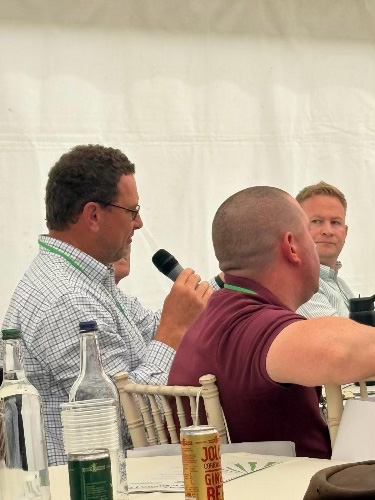
The feedback repeatedly referenced the value of bringing together a like-minded group of people who were willing to share ideas openly and honestly.
One delegate summed it up perfectly:
"A like-minded group of people all looking to achieve broadly the same things, with a very open, honest and welcoming host."
That spirit of collaboration is something our industry needs more of.
None of us have all the answers.
But collectively, there is an enormous amount of experience, knowledge and innovation within rural businesses.
Seeing Diversification in Practice
For many attendees, the farm tour brought the day's discussions to life. Walking around the site, seeing the different enterprises operating together and hearing the stories behind them gave delegates a practical insight into what diversification can look like on the ground.
Some left with ideas for storage projects. Others were interested in management structures, planning approaches and business strategy.
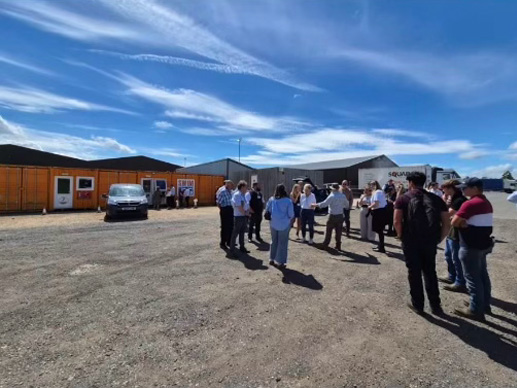
Many commented on how useful it was to see a range of enterprises operating alongside a working farm rather than replacing it.
Perhaps that's because seeing diversification in action makes it feel achievable. Not something reserved for large estates or exceptional circumstances. But something that can be developed over time with clear thinking, good planning and the willingness to take the first step.
So, What Was the Biggest Takeaway?
Reading through the feedback, one message appeared again and again.
Anything is possible.
Not because diversification is easy.
Not because every idea works.
But because there are opportunities on every farm if you're prepared to look for them, plan for them and take action.
Or, as one delegate simply put it:
"Take a leap."
A huge thank you to everyone who attended, Antony Pearce co-founder of Dudley Peverill for speaking, Tony Langford, Owner of Pitchcott Farm Café, Becky Bone, Director of Grow Walkies and AT Bone, Joe Evans, Director of Whitbourne Estate and CLA Deputy President, our lunch sponsor, NatWest and bag sponsors Arty Rural, Newton and Roythornes for taking a leap of faith and supporting the first Rural Diversification Live.
The event was never intended to provide all the answers.
It was designed to start conversations, share experiences and help people see what might be possible for their own farms and businesses.
If the feedback is anything to go by, those conversations are only just beginning.